
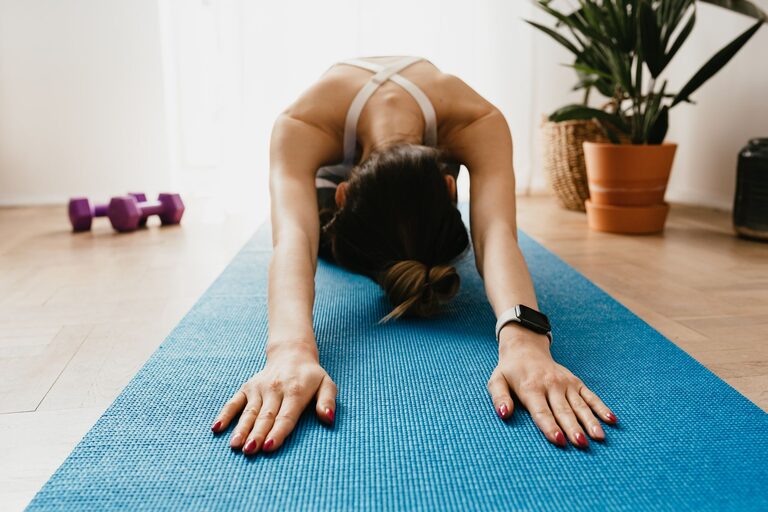
Stretching is a simple and effective way to improve flexibility, increase blood flow, and reduce muscle tension—all from the comfort of your own home. Whether you’re looking to start a new fitness habit, ease stiffness from sitting too long, or simply feel better in your body, stretching can be a great addition to your daily routine.
In this beginner’s guide, we’ll walk you through the basics of stretching at home, including the benefits, how to prepare, and some beginner-friendly stretches you can try right away.
Why Stretching at Home is Beneficial
Stretching offers several advantages, especially when done regularly at home:
– Improves Flexibility: Stretching helps lengthen muscles and tendons, which can make everyday movements easier.
– Reduces Muscle Tension: It helps relieve tightness caused by stress, poor posture, or prolonged sitting.
– Increases Blood Circulation: Stretching encourages better blood flow, which is important for muscle recovery and overall health.
– Enhances Relaxation: Taking a few minutes to stretch can reduce stress and promote a sense of calm.
– Prepares for Physical Activity: Warming up with stretches can help prevent injuries before exercise.
Preparing to Stretch Safely at Home
Before you begin, keep these tips in mind to stretch safely and effectively:
Warm-Up First
Stretching cold muscles can cause strain. It’s best to warm up first with 3-5 minutes of light activity such as marching in place, walking around the house, or gentle arm circles.
Wear Comfortable Clothing
Choose stretchy, comfortable clothes that allow freedom of movement. Avoid restrictive outfits that might limit your range of motion.
Use a Supportive Surface
Stretch on a yoga mat, carpet, or soft rug to protect your joints and prevent slipping.
Breathe Deeply
Focus on slow, deep breaths as you stretch to increase oxygen flow and help muscles relax.
Don’t Overstretch
Move into each stretch slowly and gently. You should feel a mild tension, not pain. Avoid bouncing or forcing your body into uncomfortable positions.
Basic Stretching Routine for Beginners
Here’s a simple, full-body stretching routine that targets key muscle groups. Hold each stretch for 20-30 seconds and repeat 2-3 times if you like.
1. Neck Stretch
– Sit or stand tall.
– Slowly tilt your head to the right, bringing your ear toward your shoulder.
– Hold and feel a stretch along the left side of your neck.
– Repeat on the left side.
2. Shoulder Rolls
– Stand with your arms relaxed by your sides.
– Roll your shoulders forward in a circular motion 10 times.
– Reverse direction and roll backwards 10 times.
3. Chest Opener
– Clasp your hands behind your back.
– Straighten your arms and gently lift your chest.
– Keep your shoulders down and away from your ears.
– Hold the stretch to open the chest and shoulders.
4. Seated Forward Bend
– Sit on the floor with legs extended straight.
– Hinge forward from your hips and reach toward your toes.
– Keep your back straight and relax your neck.
– Feel the stretch along your hamstrings and lower back.
5. Cat-Cow Stretch (Spine Mobility)
– Start on hands and knees in a tabletop position.
– Inhale as you arch your back, lifting your head and tailbone (Cow pose).
– Exhale as you round your back, tucking your chin and pelvis (Cat pose).
– Repeat 5-8 times to warm up your spine.
6. Quadriceps Stretch
– Stand near a wall or chair for balance.
– Bend your right knee and grab your ankle or foot behind you.
– Keep knees close together and gently pull your foot toward your buttocks.
– Hold and then switch legs.
7. Calf Stretch
– Stand facing a wall.
– Place your hands on the wall at shoulder height.
– Step one foot back, keeping it straight and heel on the ground.
– Lean forward slightly to stretch your calf muscle.
– Switch sides.
Tips for Making Stretching a Habit
To make stretching part of your daily routine, consider these ideas:
– Set a Reminder: Use your phone or a calendar to remind you to stretch, especially after long periods of sitting.
– Stretch in the Morning or Evening: Stretching can be a gentle way to wake up or unwind before bedtime.
– Combine with Other Activities: Stretch while watching TV or listening to music to make it more enjoyable.
– Listen to Your Body: Progress at your own pace and modify stretches as needed.
– Celebrate Progress: Notice improvements in your flexibility and how good you feel after stretching.
When to Avoid Stretching or See a Professional
If you have any existing injuries, chronic pain, or medical conditions, consult a healthcare provider before starting a new stretching routine. Avoid stretching if you feel sharp pain or discomfort during a stretch.
Final Thoughts
Stretching at home is an accessible and effective way to improve your physical and mental well-being. By dedicating just a few minutes daily, you can enjoy greater flexibility, reduced muscle tension, and a calm, refreshed body. Start slowly, be consistent, and watch your body thank you over time!