
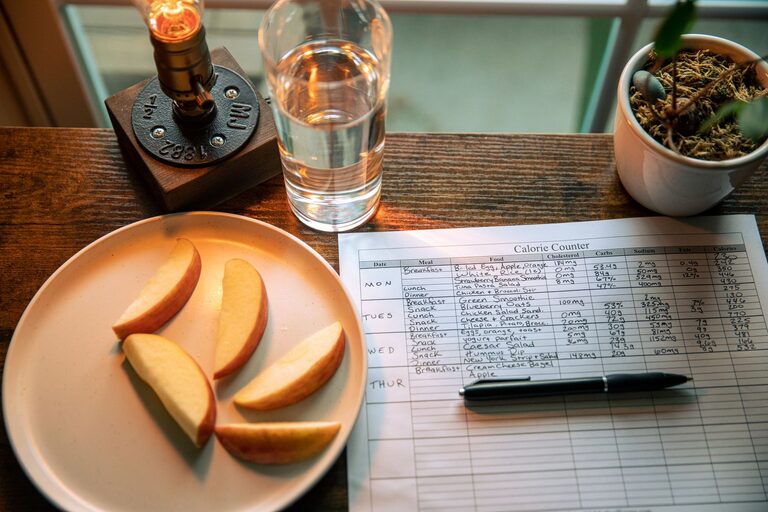
Planning balanced meals doesn’t have to be overwhelming or time-consuming. With a few simple strategies, you can create nutritious and tasty menus that suit your lifestyle without feeling stressed. Whether you’re cooking for yourself, your family, or a group, the key is preparation and a clear approach. This guide will walk you through how to plan balanced meals easily and enjoyably.
What is a Balanced Meal?
Before diving into planning, it’s important to understand what a balanced meal includes. A balanced meal provides your body with essential nutrients from different food groups in the right proportions. Typically, a balanced meal contains:
– Protein: Helps build and repair body tissues. Examples include chicken, fish, beans, tofu, and eggs.
– Carbohydrates: Provide energy. Sources include whole grains, potatoes, rice, and legumes.
– Healthy Fats: Needed for brain health and energy. Examples are olive oil, nuts, seeds, and avocados.
– Vegetables and Fruits: Packed with vitamins, minerals, and fiber.
– Dairy or Alternatives: Supplies calcium and other nutrients (milk, yogurt, cheese, or fortified alternatives).
The goal is to mix these groups in a way that suits your taste, dietary needs, and schedule.
Step 1: Start with a Simple Meal Template
A good way to ease into meal planning is by creating a basic “plate” guideline. For example:
– Half the plate filled with vegetables or salad.
– One quarter with a lean protein.
– One quarter with whole grains or starchy vegetables.
– Add a small amount of healthy fat or dairy on the side.
This simple visual helps keep meals balanced without overthinking portion sizes.
Step 2: Plan Ahead, But Keep It Flexible
Choose one day to plan your meals for the upcoming week. Take 15-30 minutes to:
– List your meals for each day (breakfast, lunch, dinner, snacks).
– Make a shopping list based on your meal plan.
– Consider your schedule. For busy days, plan quicker meals or leftovers.
Flexibility is important. If you don’t feel like cooking a planned meal, swap it with an easy backup option like a salad with canned beans or a sandwich with veggies and lean protein.
Step 3: Choose Simple, Versatile Recipes
Look for recipes that are straightforward and use ingredients you enjoy and can find easily. Here are some ideas:
– Stir-fries with mixed vegetables and your choice of protein.
– Grain bowls with brown rice, roasted vegetables, and a dressing.
– Soups or stews that can be made in a large batch and frozen.
– Omelets or frittatas packed with vegetables and cheese for breakfast or dinner.
Having versatile recipes reduces decision fatigue and helps when you want to mix and match ingredients.
Step 4: Prep Ingredients Early
Prepping ingredients ahead of time saves you from last-minute stress in the kitchen. Try these tips:
– Wash and chop vegetables as soon as you bring groceries home.
– Cook grains or proteins in bulk and store them in the fridge.
– Portion out snacks like nuts, fruit, or yogurt ahead for easy access.
Investing a little time at the start of the week makes meal assembly quicker and smoother.
Step 5: Incorporate Variety and Color
Eating a variety of foods ensures you get a range of nutrients while keeping your meals interesting. Aim to:
– Include different colored vegetables and fruits throughout the week.
– Rotate protein sources (fish, turkey, beans, tofu).
– Try new herbs, spices, or condiments to change flavors.
A colorful plate is often a balanced plate!
Step 6: Keep Snacks Balanced Too
Snacks are part of your daily nutrition. Choose snacks that combine protein, healthy fats, and carbs to keep your energy steady. Examples include:
– Apple slices with peanut butter.
– Greek yogurt with berries.
– Whole-grain crackers with cheese.
– Hummus with carrot sticks.
Planning snacks helps avoid grabbing less nutritious options when you’re busy or hungry.
Step 7: Use Tools and Apps for Support
Many tools can help make meal planning easier:
– Digital calendars or meal planning apps for organizing meals.
– Grocery list apps that sync with your meal plan.
– Recipe websites with filters for dietary preferences.
Using these tools can streamline your workflow and keep you on track.
Step 8: Listen to Your Body and Adjust
No meal plan is perfect forever. Pay attention to how your meals make you feel. Adjust portions, ingredients, or meal times based on your hunger levels, energy, and schedule changes.
Remember, the goal is balance and enjoyment, not perfection.
Bonus Tips for Stress-Free Meal Planning
– Cook double portions when possible to have leftovers.
– Freeze meals in single servings for busy days.
– Involve family members in planning and cooking to share the load.
– Keep pantry staples stocked to avoid last-minute runs to the store.
Conclusion
Planning balanced meals doesn’t have to add stress to your day. By keeping things simple, planning ahead, and using helpful tools, you can enjoy nutritious, tasty meals with ease. Start small with basic templates and gradually build a routine that fits your lifestyle. Over time, meal planning will feel natural and rewarding, helping you maintain a healthy diet and reduce mealtime worry. Happy cooking!